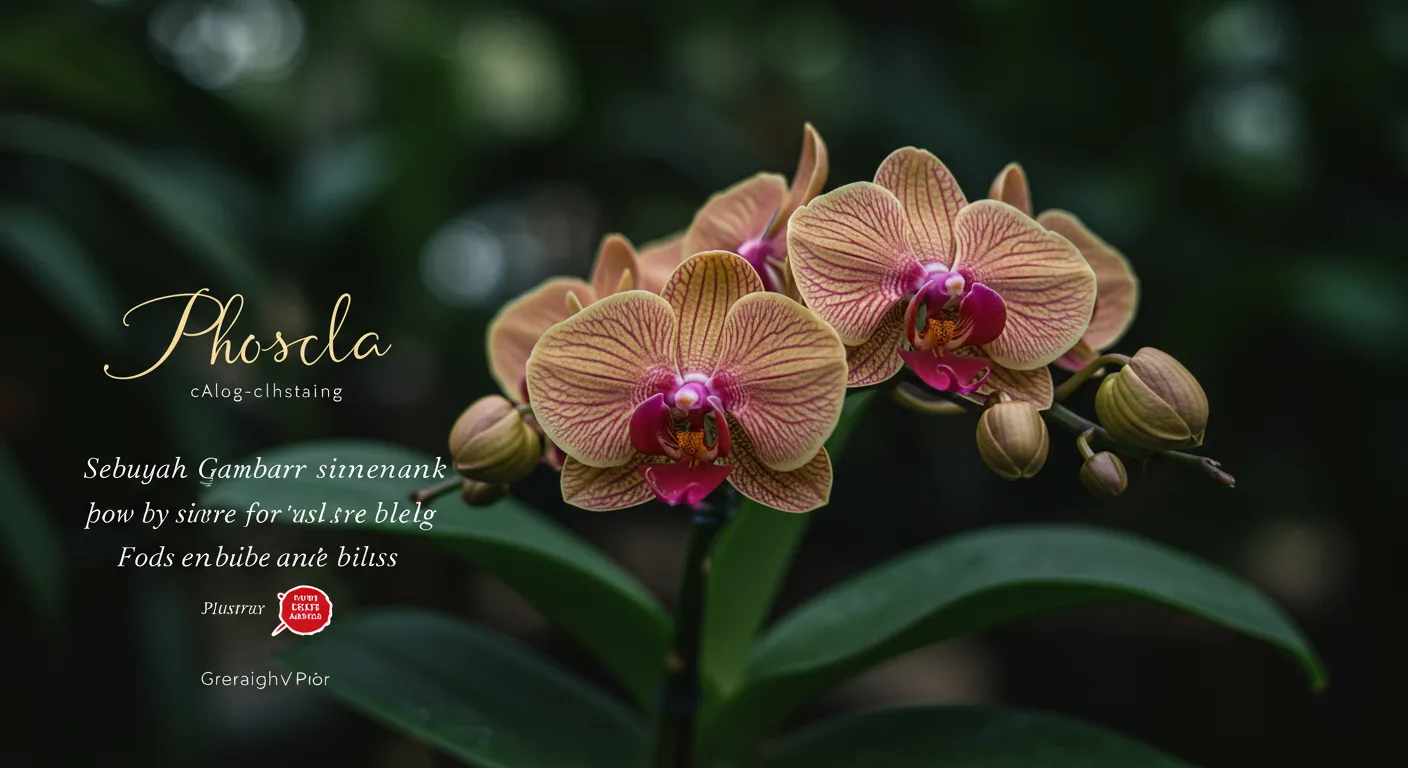
Most people spend years caring for their orchids without realizing the swollen stems they’ve been ignoring are actually the most important part of the plant. I was one of them. I had a Cattleya for almost two years before I understood that the fat, green lumps at its base weren’t some weird growth defect they were literally keeping the plant alive while I figured out what I was doing. Once I started paying attention to those structures, my orchid care improved more than any watering chart or fertilizer schedule ever managed. So before we talk about routines and schedules, let’s start with what those swollen stems actually are, what they’re trying to tell you, and what caring for them properly actually looks like in practice.
What “Orchid Bulbs” Actually Are (And Why the Name Matters)
The correct term is pseudobulbs “false bulbs” and that distinction matters more than it sounds. A tulip bulb is a completely different structure: underground, dormant, and passive. Pseudobulbs are above-ground, active organs that function more like a combination fuel tank and stress indicator. They’re swollen stem tissue, and they’re found primarily on sympodial orchids the kind that grow horizontally along a root-like stem called a rhizome, sending up new growth in one direction while leaving older growth behind.
Genera like Cattleya, Dendrobium, Oncidium, and Cymbidium all rely on pseudobulbs. Phalaenopsis the grocery store orchid most people start with doesn’t have them at all, which is part of why its care is so different. If you’ve been following Phalaenopsis advice for a Dendrobium, that’s probably where things went sideways.
The Shapes You’ll See and What They Mean
Pseudobulbs aren’t one-size-fits-all, and recognizing the variety helps you identify your plant and calibrate your expectations.
- Round or egg-shaped: Common on Cattleya and Cymbidium orchids, these compact, plump bulbs tend to be the easiest to read firm means healthy, wrinkled means something’s off.
- Tall and cane-like: Dendrobium orchids produce long, segmented pseudobulbs that can reach 30–60cm. They look nothing like a “bulb” but function exactly the same way, storing water and nutrients along their entire length.
- Flat or disc-shaped: Some species produce pseudobulbs that look almost like stacked coins. These are less common in home collections but worth recognizing if you’re branching out into species plants.
The shape tells you the genus; the texture and color tell you how the plant is actually doing right now. A plump pseudobulb of any shape is a sign the plant has reserves. A shriveled one means it’s been drawing on those reserves and coming up short.
Getting the Environment Right for Pseudobulb Health
Pseudobulbs are storage organs, but they don’t fill themselves. They depend entirely on what the roots can absorb and what the leaves can photosynthesize. Get the environment wrong, and no amount of attention to the bulbs themselves will fix the underlying problem.
Watering: The Rule That Actually Works
Here’s something that surprised me when I first started growing sympodial orchids: a slightly wrinkled pseudobulb isn’t always an emergency. Some wrinkling between waterings is completely normal, especially in drier months. What you’re watching for is severe wrinkling the kind where the bulb looks deflated and the creases are deep. That’s the plant signaling it’s been dry for too long.
The method I’ve used consistently for years is simple: water thoroughly until it drains freely from the bottom, then wait. For most Cattleya and Oncidium types, that means letting the potting mix approach dryness before the next watering. I use a wooden chopstick pushed about 3cm into the bark if it comes out with any moisture on it, I wait another day or two. This works far better than any fixed schedule, because temperature, humidity, and pot size all affect how quickly the medium dries.
The counterintuitive part: if you notice a wrinkled pseudobulb, don’t just water more. Check the roots first. Overwatered, rotted roots can’t move water to the bulbs regardless of how wet the soil is so the bulb shrivels even though the medium is soggy. I’ve made this mistake myself, watering a Dendrobium more and more aggressively while it kept wrinkling, only to find a pot full of brown mush when I finally unpotted it.
Light: Lime Green Is What You’re After
Orchid pseudobulbs need energy from photosynthesis to stay plump, and that means adequate light. The target for most pseudobulb-producing orchids is bright, indirect light think the quality of light near an east-facing window with morning sun, or a few feet back from a south or west window with a sheer curtain.
Your leaves are a better gauge than any light meter app. Healthy leaves on a well-lit sympodial orchid are lime to grass green not dark, forest green. Dark green leaves mean the plant is producing extra chlorophyll to compensate for low light, and the pseudobulbs will reflect that by staying smaller and less robust. I keep most of my Oncidium collection about 50cm from a south-facing window, and the difference in pseudobulb size compared to where I had them before further back in the room is dramatic.
Humidity and Air Circulation: You Need Both
Most pseudobulb-producing orchids come from environments where humidity sits between 50–70%. In a typical home, especially with air conditioning or central heating running, you’re often well below that. The fix doesn’t need to be expensive.
- Pebble trays: Fill a shallow tray with pebbles, add water to just below the pebble surface, and set the pot on top. As the water evaporates, it raises local humidity without wetting the roots.
- Grouping plants: A cluster of plants creates a shared humid microclimate. I keep my orchids grouped together near my other tropicals and the difference in pseudobulb firmness between that area and a more isolated spot in my house is noticeable.
- A small humidifier: For serious collections, this is the most reliable option. I run a Levoit 300S near my orchid shelf from October through March when indoor air gets dry.
The part most guides skip: humidity without airflow causes problems. Stagnant, moist air around orchid pseudobulbs is exactly the condition that invites rot and fungal issues. A small fan even a USB desk fan on the lowest setting pointed generally toward the plant space (not directly blasting the orchid) makes a real difference.
Feeding Without Overdoing It
During active growth new pseudobulbs developing, roots extending, leaves unfurling orchids genuinely benefit from regular feeding. I follow the “weakly, weekly” approach with a balanced fertilizer (20-20-20) diluted to one-quarter the label strength, applied each time I water during spring and summer. In winter, or whenever the plant isn’t pushing new growth, I back off to once a month or stop entirely during true dormancy.
Overfeeding is a real problem. Fertilizer salts accumulate in orchid bark over time and can burn roots, which then means the pseudobulbs get less water and nutrients the opposite of what you were going for. Every few months, I flush the pot thoroughly with plain water to clear any buildup before resuming feeding.
When and How to Repot Orchids with Pseudobulbs
Repotting sympodial orchids feels intimidating the first time, but once you’ve done it, you’ll realize how much information you get from seeing the root system directly. I repot every 18–24 months, or sooner if I notice the bark breaking down into a dense, compacted mush which happens faster in humid climates.
The key signs it’s time: pseudobulbs and new growth pushing well over the pot rim, roots circling the outside of the container, or a potting medium that smells slightly sour when wet. That last one is important fresh bark smells like wood; degraded bark smells like compost, and it holds too much moisture for healthy roots.
The Repotting Process, Step by Step
- Choose the right moment: Repot right after blooming ends and when you can see new growth just beginning at the base. Repotting into active growth gives the roots something to immediately explore in the fresh medium.
- Unpot carefully: If roots are stuck to the pot wall, soak the whole thing in water for 10 minutes first. Forcing it tears roots unnecessarily. For terracotta pots, sometimes cutting the pot is easier than prying the plant out.
- Inspect and clean: Shake off all old bark. Trim dead, papery, or mushy roots with sterile scissors. Healthy roots are white to silvery-green and firm. Don’t be alarmed if you remove quite a lot dead roots aren’t helping anyone.
- Position for future growth: Place the oldest pseudobulbs against the pot wall, with the direction of new growth pointing toward the center. This gives you maximum time before the plant outgrows the pot again.
- Fill and settle: Work fresh orchid bark around the roots, tapping the pot gently to help it settle. Don’t pack it tightly air in the medium is as important as the medium itself.
After repotting, hold off on watering for 3–5 days. This encourages any cut root tips to callous over rather than sitting in moisture and rotting.
Diagnosing Problems From the Pseudobulbs
This is where paying attention to orchid bulb care really pays off. The pseudobulbs are one of the most reliable diagnostic tools you have.
Shriveling: Two Causes, Opposite Solutions
A wrinkled pseudobulb almost always means the plant isn’t getting enough water but the reason why it isn’t getting enough water is where people go wrong. There are two possibilities: the roots are healthy but the plant simply isn’t being watered enough, or the roots have rotted from overwatering and can’t move moisture to the plant regardless of soil moisture.
Unpot the plant and look. Healthy roots are firm; rotted roots are brown, hollow, and collapse when you squeeze them. If the roots are healthy, increase watering frequency. If roots have rotted, you need to trim them, repot in fresh bark, and correct your watering habits going forward. Treating both with “more water” is how people kill orchids they’re genuinely trying to save.
Soft or Blackening Pseudobulbs
Soft, darkening pseudobulbs indicate rot usually from excess moisture combined with poor airflow. This needs immediate action. Using a blade sterilized with isopropyl alcohol, cut the affected pseudobulb cleanly at the rhizome, making sure your cut is into healthy tissue. Dust the cut surface with cinnamon, which acts as a mild natural antifungal. Then review your conditions something allowed moisture to sit on the tissue long enough to cause decay.
Backbulbs: Old Growth That Still Earns Its Place
As sympodial orchids mature, they leave behind older, leafless pseudobulbs called backbulbs. The instinct is to remove them because they look spent, but that’s usually the wrong call. Firm, intact backbulbs even if they’re yellowing and leafless still hold water and nutrients the plant actively draws on, especially when developing new growth or pushing up a flower spike. I leave backbulbs in place unless they’re completely desiccated and papery, or soft and showing signs of rot. Two or three backbulbs behind the active growth is normal and healthy.
Dormancy: The Phase Most Growers Fight Instead of Respect
Some sympodial orchids particularly certain Dendrobium species and Catasetum enter a genuine dormancy after flowering. The pseudobulbs sit. No new growth. Sometimes the leaves drop. It looks like the plant is dying, and the natural response is to water more and fertilize to “encourage” it back. That’s exactly the wrong approach.
During dormancy, pseudobulbs are maintaining themselves on stored reserves. They need much less water often just enough to prevent severe shriveling, which might mean watering once every two to three weeks. Fertilizer should stop completely. Light can stay consistent. The dormancy period typically lasts 6–10 weeks, and the signal that it’s ending is unmistakable: a small green tip emerging at the base of a pseudobulb. That’s when you gradually resume normal watering and feeding.
Respecting dormancy, rather than fighting it, is one of the things that separates growers whose orchids rebloom reliably from those who get one good flowering and then watch the plant slowly decline. For more on triggering that next bloom cycle, my guide on caring for orchids after they bloom covers the post-flowering period in detail.
Propagating by Division: When Your Orchid Outgrows Itself
A mature sympodial orchid with six or more pseudobulbs can be divided into two separate plants. It’s one of the most satisfying things you can do as a grower free plants, plus a reinvigorated parent.
The timing matters: divide right after flowering, when new growth is just starting. Each division needs a minimum of three healthy pseudobulbs to have sufficient stored energy to establish itself. Use a sterile blade, cut cleanly through the rhizome, and dust both cut surfaces with cinnamon. Pot each division in fresh bark and water sparingly until you see new root activity usually within 3–4 weeks.
One thing I’ve learned: don’t be tempted to create divisions with only one or two pseudobulbs to maximize the number of new plants. Underpowered divisions take much longer to establish, are more prone to stress, and often just limp along for a year before catching up. Three pseudobulbs minimum is a real rule, not a suggestion.
The Single Most Useful Habit in Orchid Bulb Care
If there’s one thing I’d want you to take away from all of this, it’s to make a habit of physically touching your pseudobulbs every time you check your plant. Not just looking touching. A firm pseudobulb feels almost turgid, slightly resistant to gentle pressure. A shriveling one feels softer, almost hollow. That 5-second check, done consistently, will tell you more about your orchid’s actual health than any watering schedule or care chart ever will. You’ll catch problems early, before they become serious, and you’ll also learn to trust the plant’s signals rather than reacting to a calendar. That shift from routine to observation is where good orchid growing actually starts.