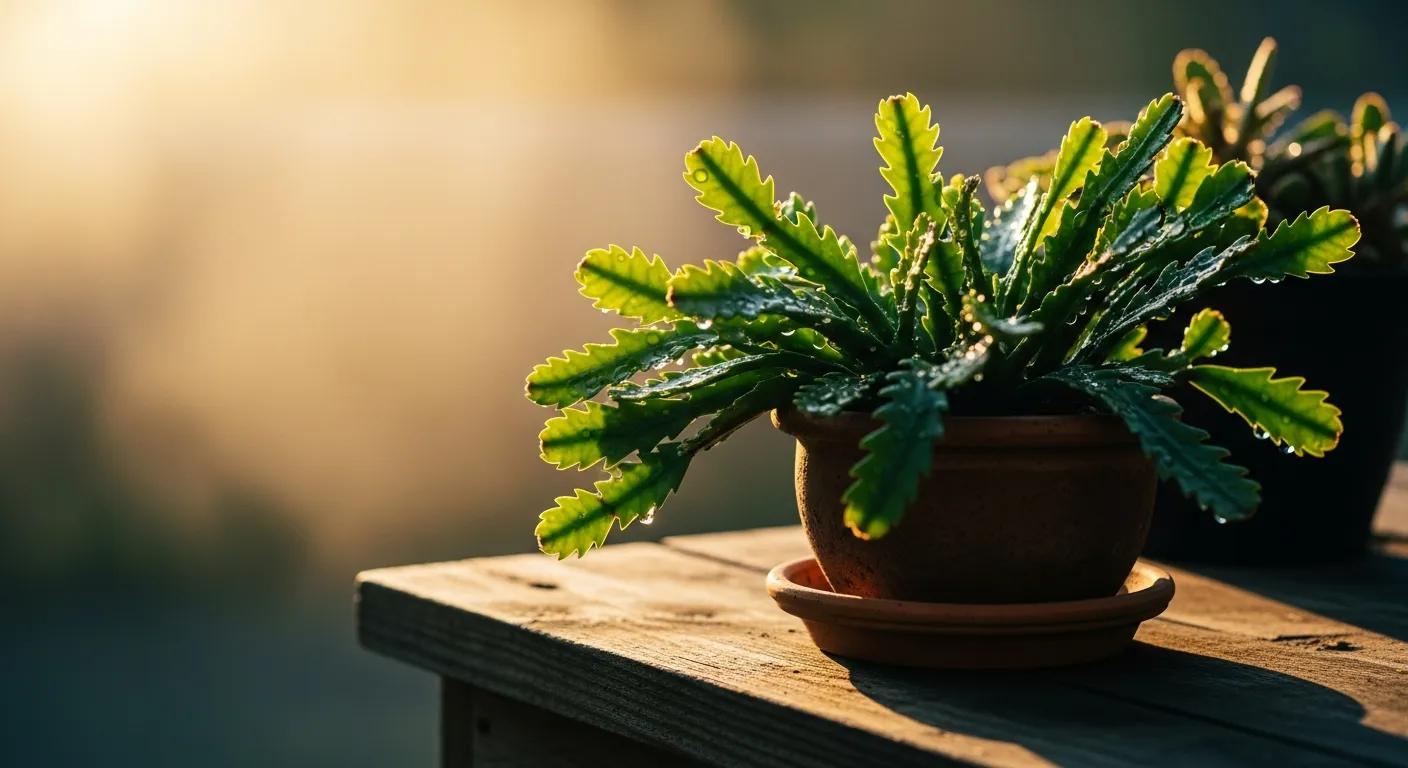
Zigzag Cactus Care: What No One Tells You About This “Easy” Plant
Most people kill their first zigzag cactus by treating it like a cactus. I did exactly that shoved it in a south-facing window, watered it once a month, and watched it slowly turn yellow and collapse. The word “cactus” in the name is practically a trap. Disocactus anguliger is a jungle plant. It grows anchored to tree branches in Mexican rainforests, not in dry sandy soil under blasting sun. Once that clicked for me, everything about caring for this plant made sense and my second one has been trailing beautifully out of a hanging basket for three years now.
What You’re Actually Dealing With (And Why It Changes Everything)
The zigzag cactus also called fishbone cactus or ric rac cactus for those deeply lobed, alternating stems that look uncannily like a fish skeleton is an epiphyte. That means in the wild, it clings to tree bark, absorbs moisture from the air and passing rain, and lives in the dappled, filtered light of the forest canopy. Its roots are never sitting in dense, waterlogged ground soil.
This single fact is the foundation of every care decision you’ll make. Epiphytes need chunky, airy potting mixes that drain fast. They need indirect light, not direct sun. They want humidity, not drought. Understanding this is more useful than any watering schedule someone hands you, because it gives you the reasoning behind the rules.
The Name Confusion Worth Clearing Up
You may see this plant sold under a few different scientific names Disocactus anguliger, Epiphyllum anguliger, and occasionally Selenicereus anthonyanus (which is actually a related but different species with more dramatic magenta flowers). The care for all of them is nearly identical. Don’t stress the taxonomy. If it has flat, deeply notched zigzag stems, this guide applies.
Light: The Sweet Spot That Most Indoor Spots Miss
Bright, indirect light is the standard advice and it’s correct but “indirect” gets misinterpreted a lot. Your plant doesn’t want to sit in a dim corner. It wants the kind of light you’d find a few feet back from a large, unobstructed window. East-facing windows are ideal because the morning sun is gentle. A west or south window works well too, as long as the plant isn’t sitting right in the direct beam of afternoon sun.
Direct sun will bleach and scorch those flat stems surprisingly fast. I learned this when I moved a plant outside for the summer and forgot to put it somewhere sheltered one afternoon of direct July sun turned a whole section crispy and white. On the flip side, too little light means slow, weak growth and almost zero chance of flowers.
A Practical Test for Your Spot
Hold your hand about a foot above a white piece of paper in your chosen spot. If you see a sharp, defined shadow, the light is probably too intense for a zigzag cactus. A soft, blurry shadow? You’re in good shape. No shadow at all? Find somewhere brighter your plant will grow, but sluggishly, and flowering will be nearly impossible.
Watering: The One Rule That Overrides Everything Else
Here is where well-meaning plant owners get into trouble. Because this plant isn’t a desert cactus, some people assume it wants to be kept consistently moist. It doesn’t. It wants the cycle it gets in the rainforest: a good drink, then a period of drying out before the next one. Soggy, constantly wet soil is a straight path to root rot, and by the time you notice yellowing stems, the roots are usually already in bad shape.
The method I use: water thoroughly I mean until water runs freely out of the drainage holes then wait until the top two inches of soil are completely dry before watering again. In summer, that might be every 7–10 days. In winter, I sometimes go three weeks or more. I water based on soil feel, not calendar dates.
Winter Watering Is a Different Game Entirely
During its natural dormancy in late fall and winter, the zigzag cactus genuinely needs to dry out more between waterings. This isn’t just about avoiding rot it’s an active signal the plant uses to prepare for flowering. Keeping it moist through winter tricks it into staying in vegetative growth mode, and you’ll get lovely stems but no buds come spring. Pull back significantly from around October onward.
Soil and Potting: Why Standard Mixes Usually Fail This Plant
A regular all-purpose potting mix holds too much moisture for an epiphyte. Even a standard cactus mix is borderline it drains well, but it’s still too dense and fine-textured to truly mimic what this plant’s roots are used to. The mix I’ve settled on after a lot of trial and error: roughly equal parts standard potting soil, orchid bark, and perlite. The bark creates air gaps, the perlite improves drainage, and the potting soil holds just enough moisture and nutrients to keep the plant fed between fertilizing.
- Orchid bark is the key ingredient most people skip it’s what makes the mix genuinely chunky and breathable instead of just slightly gritty. Look for medium-grade bark at any garden center.
- Perlite keeps the mix from compacting over time. I use the Espoma brand perlite, which is widely available and consistent in particle size.
- Pot choice matters too. Terra cotta is genuinely better for this plant than glazed ceramic or plastic, because it’s porous and helps excess moisture evaporate through the walls. If you use plastic, you’ll need to water even less frequently.
Repotting every two to three years is usually enough. This plant actually blooms more reliably when slightly root-bound, so don’t rush to size up the pot the moment roots appear at the drainage hole.
Temperature and Humidity: Recreating the Jungle (Within Reason)
Your zigzag cactus is comfortable in the same temperature range that most people find comfortable roughly 60–80°F (15–27°C). What it truly dislikes is sudden temperature swings: cold drafts from windows in winter, hot blasts from heating vents, or being moved outdoors when nights are still chilly. I keep mine away from exterior walls in winter just as a precaution.
Humidity is where this plant benefits most from a little extra effort. Typical household air, especially in winter with the heat running, is far drier than a Mexican rainforest. You don’t need to go overboard grouping plants together raises local humidity naturally, and a pebble tray with water beneath the pot adds a small but consistent boost. If you already own a humidifier for other tropical plants, put your fishbone cactus nearby. I run a small Levoit humidifier near my epiphyte shelf from November through March, and the difference in stem health over winter is visible.
Feeding Without Overdoing It
A light feeding schedule is all this plant needs. During the active growing season spring through summer I feed every three to four weeks with a balanced liquid fertilizer at half the recommended dose. Over-fertilizing is a real risk with epiphytes; their roots aren’t built to handle heavy nutrient loads the way ground-growing plants are.
Stop fertilizing completely in fall and don’t resume until you see active new growth in spring. Feeding a dormant plant doesn’t boost it it stresses the root system and can burn already-sensitive tissues. This is a hard stop, not a gradual taper.
Getting Those Flowers: The One Step Most People Never Take
The zigzag cactus produces some of the most spectacular flowers of any houseplant large, creamy white blooms that open at night and release a genuinely lovely sweet fragrance. But most indoor plants never flower, and the reason is almost always the same: they never experienced a proper dormancy period.
To trigger blooming, your plant needs a period of cooler temperatures (somewhere in the 50–60°F / 10–15°C range) combined with reduced watering, starting in late fall. An unheated spare room, a cool sunroom, or even a spot near a drafty window can work. This temperature dip sustained consistently for six to eight weeks is the signal the plant is waiting for. Without it, the plant has no reason to shift from growing stems to forming buds.
What to Expect After Dormancy Ends
Once you move the plant back to its warmer spot in late winter or early spring, watch the stem edges closely. Buds look like tiny, fuzzy knobs forming along the scalloped edges. At this point, gradually increase watering and resume indirect light. Do not move the plant again once buds appear zigzag cacti will drop forming buds if they’re rotated or relocated. Even turning the pot can cause them to abort. Leave it exactly where it is and let it do its thing.
The flowers themselves only last a day or two and open at night. If you want to see them, check the plant after dark. They’ll wither and fall off on their own no deadheading required.
Solving the Problems You’ll Probably Encounter
Yellowing Stems
Yellow, soft stems almost always point to overwatering or poor drainage or both. The fix starts with letting the soil dry out fully, then checking that your pot has adequate drainage holes. If the problem is advanced and the soil smells musty, take the plant out of its pot, trim any brown or mushy roots with clean scissors, let it air dry for a day, then repot in fresh mix. Catching root rot early means the plant almost always recovers.
Less commonly, yellowing can indicate too much direct sun (the stems will also look bleached or have dry, papery patches) or a nutrient deficiency after a long stretch without fertilizing. Context matters look at the whole picture before assuming the worst.
Pests: The Two Usual Suspects
Mealybugs are the most common pest on zigzag cacti. They congregate in the notches of the stems and look like small tufts of white cotton. Catch them early and a cotton swab dipped in 70% isopropyl alcohol takes care of individual bugs immediately. For a larger infestation, a thorough spray of diluted neem oil applied to every surface including stem crevices repeated weekly for three weeks, usually clears them out completely. Isolate the plant before treating to keep them from spreading to the rest of your collection.
Spider mites are trickier because you often don’t see them until they’ve already done damage look for fine webbing and stippled, dull-looking patches on the stems. They thrive in dry conditions, so improving humidity is both a treatment and a prevention strategy. Rinsing the plant thoroughly in the shower knocks populations back significantly, and following up with insecticidal soap handles the rest.
Propagation: Easier Than You’d Think
If you want more of these plants or want to share them stem cuttings are the way to go, and they root with little fuss. Cut a healthy section at least four to six inches long using clean scissors. Then comes the step that makes or breaks propagation: let the cut end sit exposed to air for several days until it forms a dry, firm callus. Do not skip this. A fresh, wet cut planted straight into soil will rot before it ever roots.
Once calloused, plant the cutting an inch or two deep in the same chunky, well-draining mix you’d use for a mature plant. Keep it in bright indirect light, water very sparingly for the first few weeks, and be patient roots typically form within three to six weeks. New growth is your signal that you’ve succeeded. For a broader look at caring for other cacti, that comparison can also help you understand just how differently the zigzag cactus behaves from its desert relatives.
Quick Reference: Is Your Zigzag Cactus Safe Around Pets?
Good news on this front: Disocactus anguliger is considered non-toxic to cats and dogs. A curious pet taking a nibble shouldn’t cause serious harm, though eating plant material in quantity can cause mild stomach upset in any animal. A hanging basket keeps both the plant and your pet out of trouble and honestly, trailing zigzag stems look best displayed that way anyway.
The Single Most Useful Thing You Can Do Right Now
If there’s one thing to act on today, it’s this: check your soil. Stick a finger two inches deep. If it’s even slightly damp, don’t water. Let it dry out fully before the next watering. More zigzag cacti are lost to overwatering than any other cause, and developing the habit of checking soil moisture before reaching for the watering can is the simplest, highest-impact change you can make. Everything else the right light, the correct soil mix, the dormancy period matters too, but getting the watering right is the foundation the rest of your care routine is built on.
